
Transformative Humanism in American Corrections: Coalition Advocacy, Lived Experience, and the Paradigm of the Maine Model
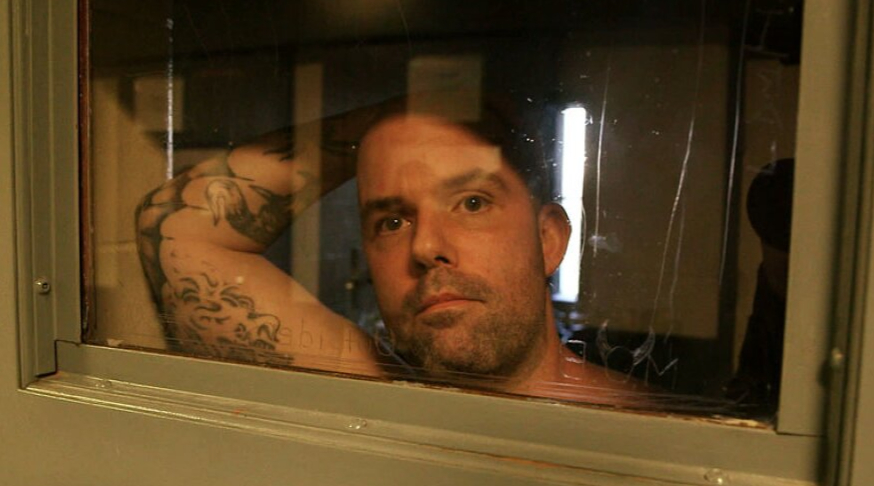
Observing Recovery Month every September provides a vital opportunity to re-examine the structural foundations, efficacy, and moral imperative of the American criminal justice system. Long dominated by retributive paradigms that yield high recidivism and persistent community destabilization, the modern correctional landscape is undergoing a critical, evidence-driven re-evaluation. At the center of this shift is an ecosystem of grassroots coalitions, dedicated policy advocates, and forward-thinking state corrections departments demonstrating that treating incarcerated individuals with dignity and comprehensive support is the most effective strategy for ensuring long-term public safety.
Reforming a complex and deeply entrenched criminal justice system requires sustained labor across legislative halls, CJ reform groups, reform minded organizations, and correctional facilities alongside those inside them. By examining the interplay between grassroots advocacy groups, data-validated reentry initiatives, and pioneering institutional frameworks; such as the Maine Model of Corrections alongside policy leaders we can identify a clear scalable roadmap toward a more restorative justice system.
Grassroots Mobilization and Leadership through Lived Experience:
Systemic policy reform rarely originates in isolation; it is propelled by dedicated coalitions operating through weekly legislative strategy meetings, community organizing, and public education. Key organizational hubs—including Parole4ME, the MPAC legislative group, and the No Penobscot County Jail Expansion group (NPCJE) serve as vital incubators for legislative innovations and administrative accountability. These bodies unite diverse stakeholders to address systemic gaps, effectively applying urgent interventions to a wounded justice system while building momentum for permanent legislative remedies we so desperately need in Maine and around the country.
The human infrastructure driving these movements depends on persistent advocacy from key figures within the reform community. A prominent example is Lani Graham, whose tireless dedication to justice reform across multiple working groups was formally recognized with a major award this year. Graham's sustained contributions across Parole4ME, MPAC, and so much more highlight how voluntary advocacy forms the backbone of modern legislative reform efforts. Beyond spotlighted achievements, countless advocates and organizers dedicate weekly efforts to sustaining these coalitions, offering vital capacity to an overburdened reform ecosystem.
Similarly, the integration of individuals with direct lived experience into leadership roles has fundamentally elevated the quality and authenticity of criminal justice policy in Maine. Bryan Widenhouse, a member of Families Against Mandatory Minimums (FAMM), embodies this transformative bridge. Widenhouse served decades in prison following a conviction during his youth, prior to his release under Pennsylvania’s legal reforms concerning individuals incarcerated as children. His transition from long-term incarceration to executive reform advocacy demonstrates how personal experience combined with legal advocacy accelerates systemic change.
The involvement of formerly incarcerated leaders brings practical insights to policy creation, ensuring that legislative initiatives accurately reflect the realities of incarceration, parole hurdles, and reentry barriers. By translating years of lived experience into actionable policy analysis, advocates effectively demonstrate that individuals who have navigated the justice system are among its most effective reform agents.
Empirical Validation: Society Impact and Interventions in Recidivism:
While policy advocacy establishes the framework for change, empirical data remains essential for demonstrating the viability of humane styled reform orientated correctional models as seen with the innovations within the Maine Model of Corrections (M.M.O.C.) set forth in the data collected by the M.D.O.C.. This data demonstrates that humane, rehabilitative approaches can improve both institutional stability and public safety. The M.D.O.C.'s data increasingly shows that treating incarcerated people with dignity, providing meaningful programming, and addressing the underlying causes of criminal behavior contributes to safer facilities, better staff retention, and stronger post-release outcomes. At a time when many Americans view the correctional system as broken, the M.M.O.C. offers evidence that common-sense investments in rehabilitation can reduce recidivism and serve as a blueprint for meaningful reform nationwide. Organizations such as Society Impact operate on the premise that elevating lived experience must be paired with rigorous, data-driven pilot projects that focus on early diversion, public defense enhancement, stable housing, and post-release employment.
Between January 2023 and May 2024, Society Impact administered the When People Work and VetsBridge pilot programs across Wilson, Edgecombe, and Pitt Counties in North Carolina. These initiatives delivered wrapped-around employment services, housing support, mental health care, and legal assistance to recently released individuals.
Initiative / Metric | Program Focus & Location | Empirical Outcome / Scope | Regional Benchmark / Context |
Recidivism Rate Pilot | When People Work & VetsBridge (NC) | 4.5% Recidivism Rate | 46.0% Statewide NC Baseline Rate |
Pre-Booking Diversion | Penobscot, Lincoln, & York Counties (ME) | Custom pre-booking frameworks | Traditional arrest and prosecution path |
Community Housing Infrastructure | 53 Putnam Street (NY) | 32 mixed affordable/market units | Blighted brownfield site remediation |
Downtown Revitalization | Historic Trojan Hotel (Troy, NY) | Adaptive reuse & inclusive growth | Architectural preservation & job creation |
In-Facility Arts Education | Maine State Prison | Multi-month resident poetry program | Standard institutional programming |
The stark divergence between the pilot program's 4.5% recidivism rate and the 46.0% statewide average highlights the transformative power of holistic reentry support. High statewide recidivism rates reflect structural barriers such as employment discrimination, housing instability, and unaddressed trauma—rather than inherent personal failures. When reentry models actively eliminate these barriers through integrated legal, medical, and residential support, returning citizens successfully reintegrate, enhancing public safety and significantly lowering municipal and state expenditures.
Furthermore, Society Impact's diversion initiatives in Maine—including pre-booking frameworks in Penobscot, Lincoln, and York Counties–demonstrate the value of redirecting individuals away from the formal criminal legal system prior to arraignment. By coordinating with judicial branches, community organizations, and local officials, these models protect public defense systems from overload while connecting individuals directly to social services.
The Maine Model of Corrections: Establishing a National Institutional Standard:
At the institutional level, the Maine Department of Corrections (M.D.O.C.) has emerged as a national and international benchmark for humanistic correctional reform through the implementation of the Maine Model of Corrections (M.M.O.C.). Historically, correctional facilities operated under rigid, security-focused paradigms that overlooked post-release outcomes. The M.M.O.C. fundamentally alters this dynamic by establishing a culture grounded in dignity, educational enrichment, and restorative care.
A core principle of the M.M.O.C. is that incarcerated individuals must be treated in alignment with how society expects them to behave upon release. Given that the vast majority of incarcerated individuals eventually return to their home communities, institutional environments that foster trauma, isolation, and idle time actively undermine long-term public safety. Conversely, institutional cultures that prioritize access to higher education, creative expression, vocational training, and trauma-informed care equip residents with the psychological and social tools necessary for civic life.
A prominent example of this philosophy is the multi-month poetry class conducted at Maine State Prison. Organized through partnerships involving facility leadership, educational staff, outside instructors, and resident coordinators, the program offers incarcerated individuals a structured medium for intellectual growth and emotional expression. Rather than viewing creative and educational programs as secondary privileges, the M.M.O.C. embeds them as essential components of institutional rehabilitation.
Data generated across M.D.O.C. facilities demonstrates that humanistic correctional environments lead to measurable reductions in facility violence, lower staff turnover, and significantly improved post-release outcomes. By demonstrating that humane care directly correlates with enhanced institutional stability and lower recidivism, the M.D.O.C. has established an operational model for jurisdictions nationwide seeking to modernize their correctional infrastructure
.
Strategic Policy Implications and Future Outlook
The convergence of grassroots advocacy, data-tested diversion models, and pioneering state leadership reveals clear strategic directions for national criminal justice reform. State correctional agencies must look to the M.M.O.C. 's as a proven framework, recognizing that transitioning facility cultures from punitive containment to rehabilitative care directly improves public safety while reducing long-term state expenditure. Concurrently, legislative bodies and executive policy forces should systematically incorporate more currently, and formerly incarcerated leaders into formal policy design and oversight processes, leveraging lived experience to create actionable legal solutions.
Furthermore, reallocating resources toward pre-booking diversion frameworks and comprehensive reentry models remains essential. The empirical success of pilots achieving a 4.5% recidivism rate validates the financial and social efficacy of substituting traditional prosecution with housing, employment, and mental health resources. Sustaining support for volunteer-driven strategy groups like Parole4ME, MPAC, and NPCJE ensures that community wisdom continues to inform legislative progress, maintaining the momentum necessary to achieve systemic transformation across the national justice system.


Comments