
Society Impact Brings Poetry Class to Maine State Prison

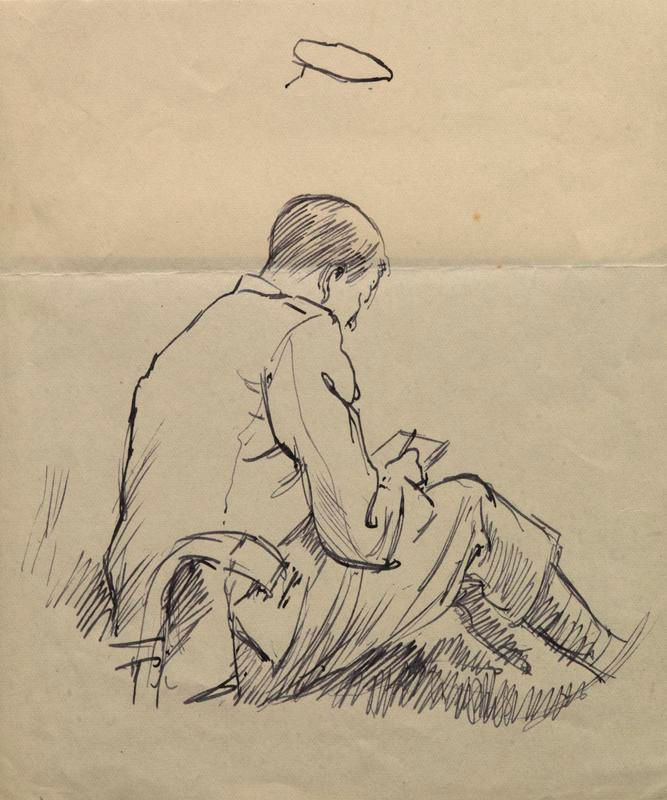
Society Impact recently organized a poetry class inside Maine State Prison, giving a small group of residents the chance to spend time writing, reading, and talking about poetry together.
The class came together through Society Impact’s ongoing conversations about the importance of education and meaningful programming inside correctional settings. Gordon, our resident colleague at Maine State Prison, helped coordinate the class from inside the facility and worked with education staff to help bring it together.
The class will run for four months, meeting once a week from May through September. Gordon is helping facilitate the class from inside the prison and coordinate with staff.
For Gordon, poetry is a good fit because it gives people a way to step outside the stress and routine of prison life.
“In a place like MSP, it’s easy to shut down emotionally just to get through the day,” Gordon says. Poetry, he explains, gives people “a safe, structured outlet” and a chance to focus on something creative and meaningful.
The class is being taught by Sara, a local poet with experience teaching writing, literature, and poetry to people of different ages and backgrounds. Sara says poetry can help people express things that are hard to talk about directly. Instead of forcing people to confront painful feelings head-on, poetry can come at them through “side doors and back doors,” creating a safer way to write honestly.
Sara hopes participants leave the class with at least one poem they connect with, and with a better sense that poetry is not something distant or out of reach. It can be found in songs, letters, memories, nursery rhymes, and everyday language.
The class is also will also include a guest session with Dr. Lani Graham, who has previously visited Maine State Prison and will share her work with haiku. Her book, A Celebration of Maine’s 200th Birthday, pairs haiku poems with photographs, and she has offered to provide examples for the class.
Gordon hopes the class helps people inside see themselves differently.
“If a participant can walk out of the class realizing, ‘I am a writer, I am a thinker, and I have a future,’ then the program has done its job,” Gordon says.
Programs like this matter because they give people something constructive to put their time and energy into. Gordon says that when people inside are left with nothing but idle time, it can lead to despair and trouble. But education and creative programs can give people purpose, discipline, and something positive to build on.
For Society Impact, this class is part of a larger commitment to education, rehabilitation, and second chances, both for incarcerated and formerly incarcerated people. It is also a chance to learn what works and hopefully build more opportunities like this in the future. Human potential does not disappear when someone enters prison. Sometimes, people just need the chance and the tools to bring it forward.


Comments