
My reflections & appreciation on the Community Classroom & the people who made it possible
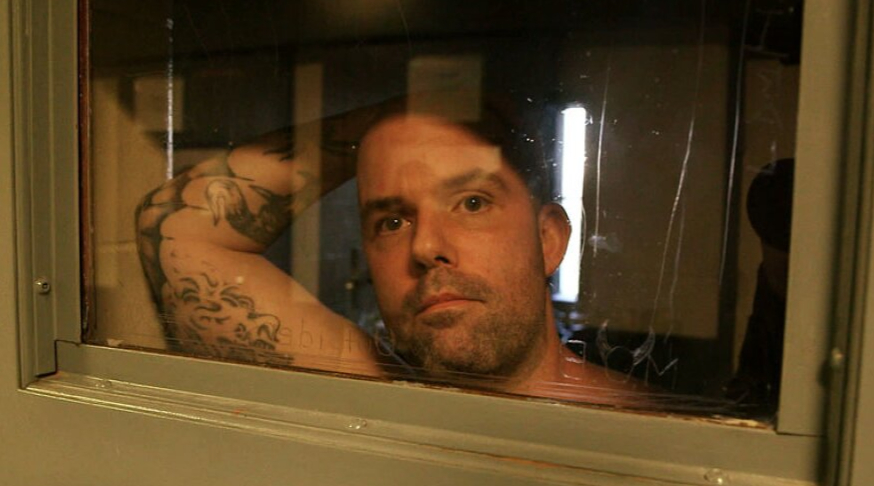
On June 23, I had the privilege of participating in No Penobscot County Jail Expansion virtual community classroom, Diversion, Not Incarceration Helps Youth Thrive. The discussion brought together advocates, community leaders, restorative justice practitioners, people with lived experience, and those working every day to improve outcomes for Maine's youth.
Before anything else, I want to express my sincere gratitude to everyone who made this event possible.
A special thank you must be given to our community classroom champion Breann Bear, whose leadership, vision, and countless hours of work brought this community classroom to life. Anyone who has organized a meaningful public discussion knows that the event itself is only a small part of the work. Behind the scenes are weeks of planning, outreach, coordination, and problem-solving. Breann's dedication to creating a space where impacted voices could be heard was evident from beginning to end, and the success of this community classroom is a direct reflection of her commitment and the teamwork Brea helped lead.
I would also like to recognize Frank Zarro, proprietor of Society Impact, whose vision helped inspire this community classroom from the very beginning. Frank not only introduced the original idea for bringing this discussion to the community but also helped set the tone for the evening through his opening remarks. What I appreciate most about Frank is his willingness to see value where others oftentimes fail to look. He recognizes that people who are currently incarcerated have the knowledge, insight, and solutions that deserve a seat at these tables. As someone he has entrusted with this meaningful work through Society Impact, I am grateful for his leadership and for his belief that those closest to the problems can help create the most effective solutions.
Sarah Johnson served as the event's technical support, moderator, and much more behind the scenes that never is seen or truly appreciated outside of our team, leading up to this event over the last few months. Events like this rely on people willing to handle the countless details that most attendees never see, and Sarah's dedication helped ensure the evening ran smoothly from start to finish. Thank you so much Sara, you're another one of our real-life heroes who dedicate their lives to this work, we all appreciate so very much!
I would also like to thank my fellow speakers and panelists from Frank to Norman, Charlyce, Jae, Hawo, Kage, Leslie, Ben, and everyone else who contributed their time, experiences, and expertise to this powerful presentation. Every person brought a unique perspective to the discussion, and together those perspectives painted a powerful picture of both the challenges facing our youth and the opportunities available when we choose support over punishment. It is now time to work on making more avenues that help the system grow.
For me personally, this conversation carried special meaning.
I have spent more than three decades incarcerated. I entered the system as a child spending most of my life learning about it from every angle. While I cannot change my past, I can choose how I use my experiences moving forward. Today, my goal is not simply to be a product of the criminal justice system. My goal is to help create a better version of it.
That is one reason why discussions about diversion are so important to me. If we are serious about improving public safety, strengthening communities, and helping young people succeed, we must be willing to intervene early. We must be willing to invest in mentorship, education, restorative practices, treatment, family support, and opportunities that help young people build productive futures before deeper system involvement occurs.
I firmly believe that people who have spent decades inside correctional institutions can play an important role in that effort. Long-term incarcerated individuals possess a level of firsthand knowledge that few others have. We have seen what works, what fails, and what often happens when opportunities for intervention are missed. We understand the consequences of poor decisions, but we also understand the power of growth, accountability, and second chances.
Too often, people view incarcerated individuals only through the lens of their worst mistake. Yet many long-term incarcerated people spend decades mentoring others, pursuing education, developing leadership skills, and searching for ways to give back. Those experiences create valuable perspectives that can help communities, policymakers, practitioners, and young people themselves.
This is why I believe lived experience must remain part of these conversations. The people most affected by a system often possess insights that can help improve it.
I would also like to apologize for my internet connection deciding to stage its own diversion program in the middle of my presentation. At what seemed like the worst possible moment, my signal disappeared and I briefly left the discussion. Participating remotely from a correctional facility comes with a unique set of challenges I seem to display routinely as my wifi boots me off during our weekly Zoom meetings.
I was especially grateful for everyone's patience, understanding, and willingness to deal with those interruptions and our amazing host Sara, to navigate this on the fly.
The community classroom reinforced an important truth. Diversion is not about avoiding accountability. It is about creating accountability in ways that encourage growth rather than simply imposing punishment. It is about recognizing that young people are still developing and that communities benefit when we provide pathways toward success instead of pathways deeper into system involvement.
I am grateful to NPCJE group and our team for creating this space, to Breann Bear for her extraordinary leadership, to Frank Zarro and Society Impact for supporting meaningful community dialogue, to Sarah Johnson for her behind-the-scenes work, and to every speaker, advocate, practitioner, and attendee who contributed to the conversation. Without all of you this would not be possible so thank you for everything!
Real change happens when communities are willing to listen, learn, and work together. It happens when lived experience, professional expertise, and community leadership are brought together in pursuit of common goals. Most importantly, it happens when we remember that every young person deserves the opportunity to thrive.
Thank you to everyone who helped make this community classroom possible. I look forward to continuing these conversations and supporting efforts that help build stronger communities and brighter futures for Maine's youth.


Comments